
Call us now :08045816731
 Send Inquiry
 Send Inquiry
Autoclaved Aerated Concrete Blocks
Autoclaved Aerated Concrete Blocks Specification
- Cavity
- Solid, non-cavity
- Dry Density Grade
- 400 700 kg/m
- Thickness
- 100 mm, 150 mm, 200 mm, 225 mm, 250 mm and custom options
- Color
- Light Grey to White
- Carbonation Coefficient
- Low carbonation rate
- Oftening Coefficient
- 0.88 0.95
- Frost Resistance
- High
- Porosity
- High (70% to 85%)
- Material
- Autoclaved Aerated Concrete (AAC)
- Strength
- High load-bearing
- Usage & Applications
- Internal and external walls, partitions, infill panels, firewalls, sound insulation
- Density
- Gram per cubic centimeter(g/cm3)
- Water Absorption
- 20 25% by mass
- Method
- Autoclaved
- Width
- 200 mm, 240 mm, 250 mm, custom sizes
- Moisture Content
- 5 12% (by weight)
- Length
- 600 mm standard
- Drying Shrinkage
- 0.02% 0.004%
- Type
- Aerated Concrete Block
- Thermal Conductivity
- 0.11 0.18 W/mK
- Compressive Strength
- 3.5 7 MPa
- Weight
- Lightweight, varies by size
- Size
- 600 mm x 200 mm x (100/150/200/225/250 mm)
- Shape
- Rectangular
- Durability
- High resistance to pests, rot, and mold
- Packing Type
- Bundled/Palletized or as per requirements
- Installation Time
- Faster than conventional bricks due to large size and lightweight
- Lifespan
- Greater than 50 years with proper maintenance
- Standards Followed
- IS 2185 (Part 3): 1984 or as per IS 5482
- Seismic Resistance
- Superior due to lightweight
- Fire Resistance
- Up to 4 hours as per thickness
- Adhesive Requirement
- Thin bed mortar recommended
- Sound Insulation
- High, excellent acoustic performance
- Storage
- Store in dry conditions on a flat surface
- Manufacturing Tolerance
- +/- 1.5 mm
- Surface Finish
- Smooth and uniform
- Workability
- Can be cut, drilled, nailed, and milled easily
- Eco-Friendliness
- Environmentally friendly, no toxic substances, recyclable
Autoclaved Aerated Concrete Blocks Trade Information
- Payment Terms
- Cash in Advance (CID)
- Supply Ability
- 1000 Per Month
- Delivery Time
- 7-10 Days
- Main Domestic Market
- All India
About Autoclaved Aerated Concrete Blocks
AAC blocks are widely used in the construction of apartments and other residential projects, as well as industrial and commercial buildings such as hotels, offices, hospitals, and schools.
- Apartments & Residential Projects
- Commercial Buildings
- Hotels & Offices
- Hospitals & Schools
- Industrial Facilities
- Interior & Exterior Walls
- High-Rise Structures
Technical Advantages of AAC Blocks
- Structural Savings : Lightweight blocks reduce dead load and steel use. Precision shapes minimize plaster and lower overall cost.
- High Strength: High-pressure steam curing delivers superior strengthto-weight ratio exceeding Indian building code standards.
- Higher Flexibility: Easily cut, grooved, and shaped on site for faster installation and adaptable designs.
- Faster Construction: Reduced weight and quick setting accelerate project schedules.
- Green Building & Energy Saving: Supports LEED/GRIHA credits, lowers manufacturing energy, transport fuel, water use, and improves operational efficiency.
- Installation Benefits: Easy cutting, drilling and conduiting with thin mortar joints for rapid installation.
- Fire Resistant :Cellular structure withstands temperatures up to 1500 deg C and resists fire for 4-5 hours without toxic fumes.
- Pest Resistant: Inorganic composition prevents termite and insect infestation.
- High Acoustic Insulation: STC-44 rating provides 45-49 dB sound attenuation for improved indoor comfort.
AAC Block Technical Specifications
As per IS:2185 Part 3 (1984)
Block Dimensions & Coverage
Walling Material Comparison
Application of AAC Blocks
- High-Rise/ Multi-Storey Buildings
- Residential Housing
- Hospitals & Institutional Buildings
- Industrial Structures & Warehouses
- Commercial Complexes & Offices
Superior Fire and Sound Insulation
AAC blocks offer up to 4 hours of fire resistance, depending on their thickness, making them a safe choice for a variety of structures. Additionally, their high porosity and advanced acoustic properties ensure remarkable sound insulation, contributing to quieter indoor environments. These qualities make the blocks particularly suitable for firewalls and sound-sensitive applications in residential, commercial, and institutional buildings.
Eco-Friendly and Durable Construction
Manufactured using environmentally friendly processes, AAC blocks do not emit toxic substances and are fully recyclable. They have high resistance against pests, rot, and mold, contributing to a long-lasting and healthy building envelope. Their lightweight nature reduces dead load, which improves seismic resistance and eases transportation and installation, offering practical and sustainable construction solutions.
Ease of Use and Versatility
AAC blocks are designed for rapid installation due to their large size and lightweight characteristics. They can be cut, drilled, nailed, and milled with standard tools, enabling customized fit for a variety of building requirements. Appropriate for both internal and external use, these blocks provide a smooth finish and maintain manufacturing tolerances within +/- 1.5 mm, ensuring consistent quality on every project.
FAQ's of Autoclaved Aerated Concrete Blocks:
Q: How are Autoclaved Aerated Concrete (AAC) Blocks installed?
A: AAC blocks are typically laid using a thin bed mortar rather than traditional cement mortar, which speeds up installation. Their lightweight and large size further facilitate rapid construction, making them faster and easier to install compared to conventional bricks.Q: What applications are AAC blocks most suitable for?
A: AAC blocks are ideal for internal and external walls, partitions, infill panels, firewalls, and locations requiring sound insulation. Their high fire resistance and acoustic performance make them popular in both residential and commercial projects.Q: When is it necessary to choose AAC blocks over traditional bricks?
A: AAC blocks should be chosen when superior fire and sound insulation, environmental responsibility, lightweight construction, and quick installation are priorities. They are especially advantageous in seismic zones and for projects seeking energy efficiency.Q: Where should AAC blocks be stored before use?
A: It is recommended to store AAC blocks in dry conditions on a flat surface, typically in bundled or palletized form. Proper storage helps maintain the blocks' strength and integrity prior to installation.Q: What benefits do AAC blocks provide in terms of durability?
A: AAC blocks are highly durable, having strong resistance to pests, rot, and mold. With a lifespan greater than 50 years when maintained properly, they offer a long-term solution for building projects.Q: How eco-friendly are AAC blocks during and after construction?
A: AAC blocks are made using eco-friendly processes without releasing toxic substances. They are recyclable and have a low carbon footprint, contributing to sustainable building practices throughout their lifespan.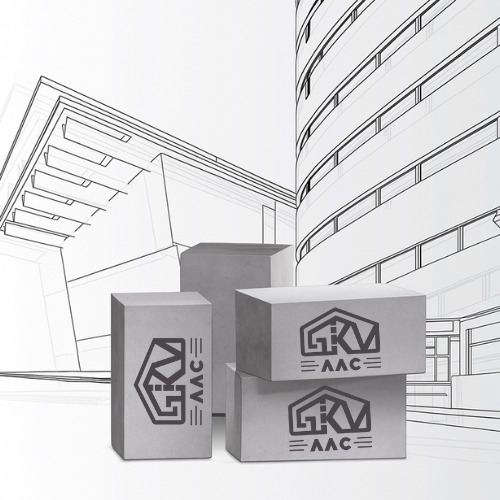
Tell us about your requirement

Price:
Quantity
Select Unit
- 50
- 100
- 200
- 250
- 500
- 1000+
Additional detail
Mobile number
Email

More Products in Autoclaved Aerated Concrete Blocks Category
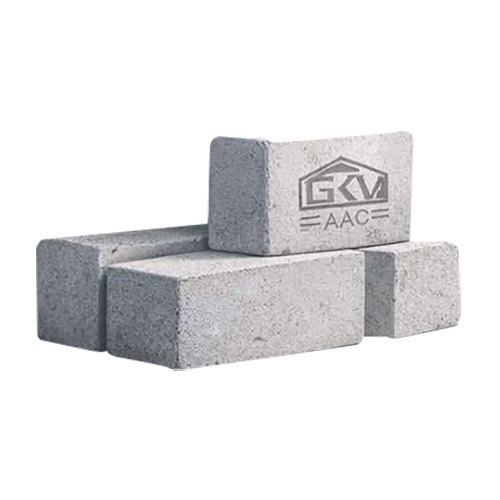
AAC Blocks
Oftening Coefficient : 0.88 0.92
Weight : Lightweight (Approx. 16 18 kg per block)
Frost Resistance : Excellent
Size : 600 mm x 200 mm x (75/100/125/150/200) mm
Porosity : High
Strength : 3 4.5 N/mm

 Send Inquiry

SY. NO. 99/1, 99/2 & 173, Payasampalle,Cuddapah - 516339, Andhra Pradesh, India

Mr. Shailesh Jaiswal
(CEO)
Mobile :08045816731
 Send Inquiry
 Send SMS
Developed and Managed by Infocom Network Private Limited.
